How To Pick The Correct Size When Buying Clothing For Dad
Buying clothes as a gift should feel exciting, not like a pop quiz you never studied for. Yet for so many shoppers, the moment they start thinking about clothing for Dad, one nagging fear takes over: What if I get the wrong size?
That fear is completely understandable. Clothing is personal. It has to fit a real body, suit a real lifestyle, and actually get worn. Nobody wants to hand someone a gift that ends up stuffed in the back of a closet. And unlike a book or a gadget, a shirt that’s two sizes off sends an uncomfortable message, even if it was bought with all the love in the world.
Here’s the good news: you don’t have to guess. There are practical, real-world methods for figuring out Dad’s correct clothing size. These methods work even when you can’t just walk up and ask him. By the time you finish reading this guide, you’ll have a clear game plan for choosing the right size with confidence.
Why Buying the Right Size for Dad Feels So Stressful

Clothing is one of the most personal categories in retail. It touches on body image, comfort, personal style, and self-expression. When you’re buying it for someone else, the stakes feel higher than usual, and for good reason.
Returns feel awkward with gifts. There’s something deflating about receiving a gift and immediately needing to exchange it. Even when dads are gracious about it, the whole situation can feel like a small failure. Gift buyers feel this pressure, and it often leads to either over-researching or abandoning the idea altogether.
Men often don’t know their own size. Ask a lot of dads what size shirt they wear, and you’ll get a shrug. Many men haven’t measured themselves in years and just grab whatever feels roughly right off the rack. If he doesn’t know his own size, you can’t exactly ask him.
Bodies change over time. A dad who wore a Medium in his thirties may comfortably wear a Large or XL now. Weight fluctuates, posture changes, and fit preferences shift with age. The size he wore five years ago may not be accurate today.
Different brands fit very differently. A Large from one brand can fit like an XL from another. Slim-fit sizing, athletic cuts, and relaxed styles all affect how a garment drapes on the body. A number on a tag doesn’t tell the whole story.
The good news is there are reliable ways to estimate accurately, even without a tape measure in hand.
The 5 Most Reliable Ways to Find Dad’s Correct Size
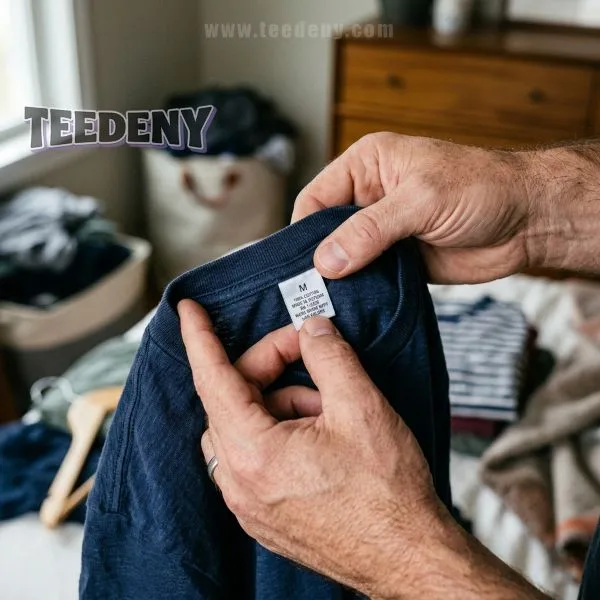
1. Check a Shirt He Already Wears and Loves
This is hands down the most accurate method available to you. Find a shirt in Dad’s closet that he genuinely likes and wears regularly, ideally one that fits him well. Then do one of the following:
- Check the tag. Note the size and the brand. This gives you a real data point tied to an actual garment he’s comfortable in.
- Measure the shirt itself. Lay it flat on a bed or table. Measure the chest width (from armpit seam to armpit seam, then double it) and the length (from the top of the shoulder seam to the bottom hem). Take these numbers to the size chart of the brand you’re shopping from.
This method works because it removes guesswork entirely. You’re not estimating. You’re reverse-engineering a fit that already works.
Pro tip: If you can quietly slip into the laundry room, a worn shirt in the hamper is just as useful as one in the closet.
2. Look at the Tag, But Don’t Stop There
Once you find a tag, write down the size and the brand. Don’t assume that a Large from Brand A equals a Large from Brand B.
A few things to pay attention to:
- S, M, L, XL vs. numeric sizes. Some brands, particularly dress shirts, use numeric sizing based on neck circumference and sleeve length (e.g., 15½ × 32). Others use simple letter sizing. These are different systems, and they don’t translate directly.
- Athletic vs. relaxed fit. A “Large” in an athletic-cut shirt is cut narrower through the torso. A “Large” in a relaxed-fit shirt is roomier. If Dad doesn’t have an athletic build, an athletic-cut Large may not be a comfortable fit even if the size technically matches.
- Cotton shrinkage. Pure cotton garments often shrink 5–10% after the first wash. If the shirt doesn’t say “pre-shrunk,” keep this in mind when sizing.
3. Use Height and Weight as a Size Estimation Tool

If you can’t access his closet and don’t know his exact measurements, height and weight can serve as a reasonable starting point. These ranges are general guidelines, not guarantees, but they hold up well across many mainstream US brands:
| Height | Weight | Common Size |
|---|---|---|
| 5’4″ – 5’6″ | 130 – 150 lbs | Small |
| 5’6″ – 5’8″ | 150 – 170 lbs | Medium |
| 5’9″ – 6’0″ | 170 – 200 lbs | Large |
| 6’0″ – 6’2″ | 200 – 220 lbs | X-Large |
| 6’2″+ | 220+ lbs | XX-Large or above |
Keep in mind that body composition matters too. A dad who is 5’10” and 185 lbs but carries more weight in his midsection may prefer an XL for comfort, even if a Large technically “fits.” When in doubt, the next section will help you decide whether to size up or stay put.
4. Observe How He Likes His Clothes to Fit
Pay attention to the clothes he already wears. Does he tend to wear shirts that are looser and comfortable, or does he prefer a cleaner, more fitted look?
- Relaxed fit fans usually size up from their “true” size, prioritizing room to move and breathe. If Dad’s shirts tend to look roomy, that’s a strong signal.
- Fitted-preference wearers stick closer to their measured size. Their shirts drape close to the body without being tight.
- Generational patterns matter too. Many older dads simply prefer comfort over fashion and lean toward roomier fits as they age. This isn’t always the case, but it’s a useful observation to factor in.
If you’re unsure, a slightly roomier fit is almost always preferable over one that’s too snug.
5. Secretly Ask Someone Who Knows
You’re not in this alone. There’s usually someone in Dad’s life who knows exactly what size he wears.
- His spouse or partner is the single best source of information. They often know his size off the top of their head, or can check without raising suspicion.
- A sibling or close friend who shops with him or has bought him clothes before.
- The laundry hack: Ask someone who does his laundry. They’ve folded and sorted enough of his shirts to know the tags by heart.
A quick, casual message like “Hey, I’m thinking of getting Dad something nice, do you happen to know his shirt size?” rarely tips anyone off if phrased naturally.
Understanding Men’s Sizing Basics (So You Don’t Rely on Guesswork)
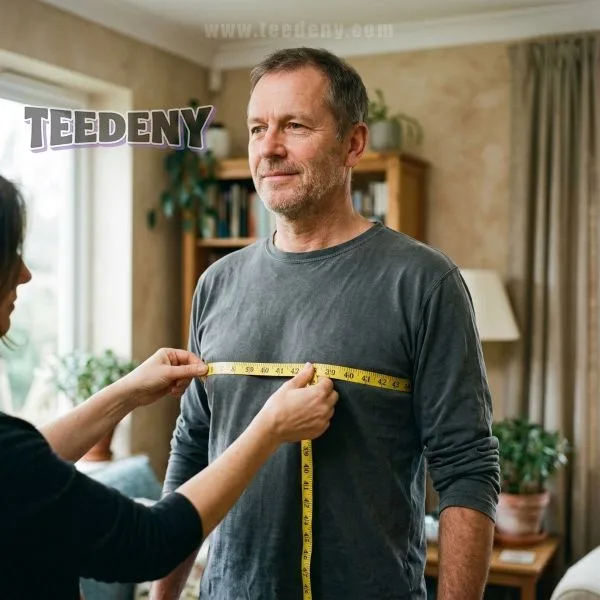
Standard US Men’s Shirt Sizing
Men’s shirts are typically sized based on three measurements:
- Chest circumference: Measured around the fullest part of the chest, under the arms. This is the primary driver of letter sizing (S, M, L, XL).
- Shoulder width: The distance from shoulder seam to shoulder seam across the back. A shirt that doesn’t fit through the shoulders will never hang properly, regardless of other adjustments.
- Shirt length: Measured from the top of the shoulder to the bottom hem. This matters more for tucked shirts and taller dads.
Most casual shirt sizing in the US uses chest circumference as the anchor. When comparing brands, always check their specific size chart rather than assuming a universal standard.
T-Shirts vs. Hoodies vs. Sweatshirts: Fit Differences
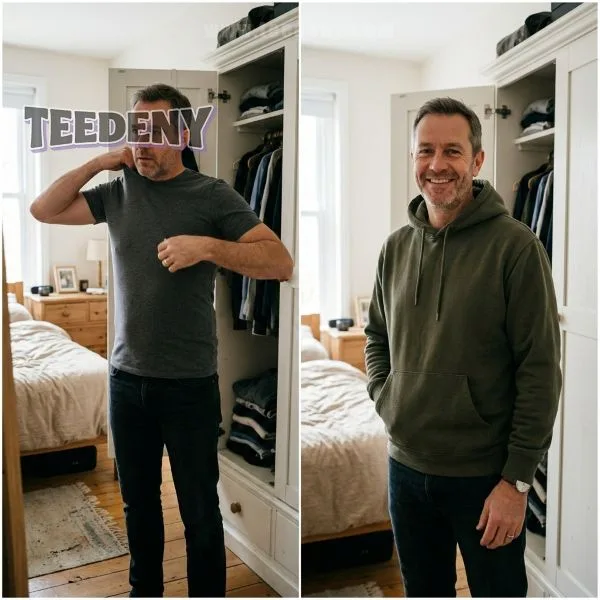
Not all tops are cut the same way, and that affects sizing decisions.
- T-shirts are usually the most straightforward to size. They’re meant to fit close to the body, though relaxed-fit styles give more room through the chest and torso.
- Hoodies and sweatshirts are designed with layering space built in. Many dads wear a t-shirt underneath, which means they may size up by one to allow for comfort. If Dad tends to wear hoodies as outer layers, consider going one size up from his t-shirt size.
- Sleeve length becomes more relevant with long-sleeved garments. Taller or longer-armed dads often find that standard sleeves run short on them. Look for “tall” sizing options if this is a factor.
- Fabric thickness also affects fit. A thick fleece hoodie takes up more space than a lightweight cotton tee, so the same size may feel tighter.
Shrinkage and Fabric Behavior
Fabric type has a real impact on how a garment fits after washing:
- 100% cotton: Can shrink noticeably, sometimes 5–10%, after the first wash, especially in hot water. Factor this in when deciding between two sizes.
- Cotton-polyester blend: Much more stable. A 50/50 blend shrinks very little and tends to hold its shape wash after wash.
- Pre-shrunk fabric: The garment has already been washed and treated during manufacturing, minimizing further shrinkage. Look for this on the product description or care label.
How Body Shape Affects Shirt Fit

Size charts are built around averages, and most dads don’t fit the average perfectly. Understanding how body shape interacts with sizing helps you make smarter choices, especially when the numbers alone aren’t enough.
Broader chest and shoulders. Dads who are wide through the upper body may find that a size fitting their chest pulls or bunches at the shoulders. In this case, it’s better to size up to fit the shoulders and accept a slightly looser torso, rather than sizing down and getting a shirt that strains across the back.
Midsection fit. Many men carry more weight around the waist as they age. A shirt that fits perfectly at the chest may taper too aggressively through the midsection if it’s cut in an athletic or slim style. For this body type, relaxed-fit or straight-cut shirts are more forgiving and comfortable, and going up one size often resolves the issue entirely.
Shorter torso. Some dads have a shorter distance from shoulder to waist, which means a standard-length shirt can hang too low and bunch at the beltline. If this sounds like Dad, look for shirts described as “regular fit” rather than “longline,” and avoid styles with extended hems.
Tall and lean. A dad who is tall but not particularly broad may find that sizing up for length results in too much width through the chest. This is exactly where “tall” sizing comes in. Many brands offer T or LT (Large Tall) options that add length without adding extra width, giving a much cleaner fit.
Taking a moment to think about Dad’s specific body shape, not just his height or weight, can make the difference between a shirt he loves and one that just sits in the drawer.
When You’re Between Two Sizes, What Should You Choose?
This is the question most gift buyers face at the checkout page. Here’s a clear framework for deciding.
Why sizing up is usually safer for gifts:
- A slightly loose fit is far more comfortable than a tight one.
- Dads often prefer comfort as a baseline, regardless of fit preferences.
- A shirt that’s a little roomy looks relaxed and intentional. One that’s too tight is immediately obvious and uncomfortable.
- Sizing up accommodates any post-wash shrinkage in cotton fabrics.
When NOT to size up:
- If Dad is very particular about fitted clothing and already wears slim-cut styles, sizing up may give him something he’ll never reach for.
- If he’s on the shorter side and sizing up means the shirt will be too long, it can look disproportionate.
Special cases:
- Tall dads: Prioritize shirts labeled “Tall” or “Long” in his size. Standard lengths often hit mid-hip on taller men, which looks odd and limits comfort.
- Dads with broader shoulders: Shoulder width is the hardest measurement to accommodate. If a shirt doesn’t fit across the shoulders, the entire garment looks wrong. Prioritize chest and shoulder measurements over body length if his build skews broad.
Quick summary:
- Between two sizes? → Size up
- Dad is tall? → Look for tall sizing
- Dad has broad shoulders? → Prioritize shoulder fit
- Dad wears slim-fit styles? → Stay at his usual size
Quick Decision Shortcut:
| Your Situation | What to Do |
|---|---|
| No access to his closet | Use the height/weight table as your starting point |
| Can check a shirt he owns | Measure it flat and match to the brand’s size chart |
| Buying a hoodie or sweatshirt | Size up one from his usual t-shirt size |
| Buying a 100% cotton tee | Factor in shrinkage — consider sizing up |
| Completely unsure | Size up. It’s the safer gift choice every time |
Common Sizing Mistakes People Make When Buying Clothing for Dad
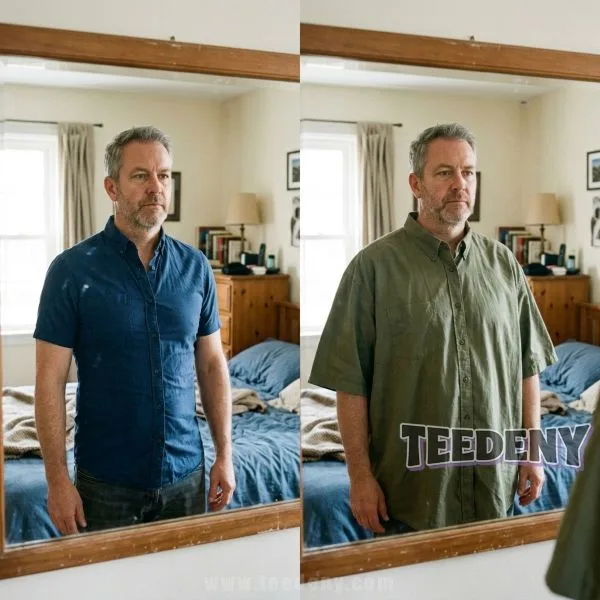
Assuming all brands fit the same. This is the most common mistake. A Large from a budget retailer is not the same as a Large from a premium athletic brand or a heritage American workwear label. Always check the specific brand’s size chart.
Ignoring shrinkage. Buying a size that fits perfectly before washing, then purchasing 100% untreated cotton, means the shirt may be uncomfortably snug after one laundry cycle. Either size up or choose a blend.
Guessing based only on body type. Visual estimates are notoriously unreliable. A dad who looks like a Medium may prefer the feel of a Large. Use measurements or tag-checking whenever possible instead of eyeballing it.
Buying based on what YOU prefer. It’s easy to project your own sizing logic onto someone else. You might prefer a fitted look, but Dad may have worn relaxed fits his entire adult life. Let his existing wardrobe guide you, not your aesthetic preferences.
What If You Still Get the Size Wrong?
First, take a breath. It happens to everyone, and it’s genuinely not a big deal.
Exchanges are completely normal. Most reputable clothing retailers offer straightforward exchanges, especially for sizing. Keep the receipt or order confirmation, and check the return policy before you buy so you know what to expect.
Most dads appreciate the thought more than the fit. The gesture of picking out clothing as a gift, something personal and practical, carries real meaning. A wrong size doesn’t erase that. It just means one quick trip to exchange.
Practical tips to minimize the risk:
- Include a gift receipt or note the order number so exchanging is easy.
- Choose retailers with clear, hassle-free return policies.
- When between two sizes, go larger. It’s easier to exchange a too-large item than to wear one that’s too small.
- Opt for classic styles and neutral colors, which are easier to size up or down without changing the look significantly.
Choosing Clothing as a Gift Is About Comfort and Confidence
When you take the time to figure out Dad’s correct size, you’re communicating something beyond just “here’s a shirt.” You’re saying: I paid attention. I thought about you.
The psychology of fit is real. Clothes that fit well make people feel better, more comfortable in their own skin, more put-together without effort. For dads who may not spend much time thinking about their wardrobe, receiving something that genuinely fits can feel like a small luxury.
And comfort matters enormously to most dads. Trends are secondary. Flashy details are secondary. What they want is something they’ll actually reach for, something that feels right when they put it on. When you nail the size, you’ve already won half the battle.
A well-fitting shirt, hoodie, or pullover isn’t just a piece of clothing. It becomes the one he wears to weekend errands, family dinners, and lazy Sunday mornings. That’s a gift that lasts.
Where to Find Size-Friendly Dad Apparel Gifts
Finding clothing that’s clearly sized, comfortable, and actually designed with dads in mind can simplify the entire process. Teedeny positions itself as a gift-focused online retail brand offering dad apparel designed with practical sizing clarity and comfort-first construction in mind.
Explore curated options inside our dad apparel collection to see sizing details clearly explained for each item. Each listing includes fit notes, fabric information, and size guidance so you can shop without second-guessing.
For deeper help comparing fits, fabrics, and styles, review this complete apparel gift guide before making your final choice. It covers everything from fabric selection to style guidance for different dad personalities.
Quick Size Confidence Checklist Before You Buy
Run through this checklist before completing your purchase:
- ✔ Checked one existing shirt in his closet or laundry
- ✔ Noted the brand and size from the tag
- ✔ Compared measurements against the brand’s size chart
- ✔ Considered the fabric type and potential shrinkage
- ✔ Considered his body shape and how it affects fit
- ✔ Observed how he prefers his clothes to fit (relaxed vs. fitted)
- ✔ Sized up if you’re between two options and unsure
- ✔ Confirmed the retailer’s exchange or return policy
If you can check most of these boxes, you’re in excellent shape.
Final Thoughts: You Don’t Have to Guess
Buying clothing for Dad doesn’t have to be a source of anxiety. The tools are all around you, in his closet, on his laundry pile, in the memory of someone close to him. A little bit of detective work goes a long way, and even your best estimate is far better than it might feel in the moment.
Remember: comfort, practicality, and thoughtfulness are the real measures of a great gift. Dads aren’t grading your sizing accuracy. They’re noticing the effort behind the choice.
Use the methods in this guide, refer to the checklist before you buy, and don’t let the fear of getting it slightly wrong stop you from giving something personal and meaningful. Most of the time, you’ll get it right. And when you don’t, a simple exchange is all it takes.
The fact that you’re researching this carefully already says something about the kind of gift-giver you are. Dad’s lucky to have you thinking of him.
Frequently Asked Questions About Choosing the Right Size for Dad
1. What size should I buy my dad if I am not completely sure?
If you are unsure, it is generally safer to size up rather than size down. A slightly roomier shirt is usually more comfortable and forgiving, especially for casual wear. If your dad is between sizes, choosing the larger option reduces the risk of it feeling tight across the chest or shoulders.
2. Is it better to size up or size down when buying clothes as a gift?
When buying clothing as a gift, sizing up is usually the safer choice. Most men prefer a relaxed fit over something restrictive. However, if the item is labeled athletic or slim fit, carefully review the size chart before deciding.
3. How can I find my dad’s size without asking him directly?
You can discreetly check the size label on a shirt he already owns and likes wearing. For more accuracy, measure the chest width of that shirt from armpit to armpit and compare it to the brand’s size chart. This method is often more reliable than guessing based on height and weight alone.
4. Do men’s t-shirts shrink after washing?
Some cotton shirts may shrink slightly after the first wash, especially if they are not pre-shrunk. To minimize shrinkage, wash in cold water and avoid high heat when drying. Checking the fabric composition before purchasing can also help set expectations.
5. What should I do if the size does not fit?
Before purchasing, review the brand’s return or exchange policy for peace of mind. Many reputable apparel brands make exchanges straightforward. When in doubt, keeping packaging intact and tags attached makes returns easier if adjustments are needed.

Hi, I’m Emma Sullivan — a Texas-based writer who specializes in product design, e-commerce, and customer experience. With over five years of writing experience, I love turning complex information into clear, helpful content that makes online shopping easier for everyone. Having spent years working in the U.S. print-on-demand and merchandising space, I focus on creating articles that are honest, engaging, and genuinely useful.